
 Introduction
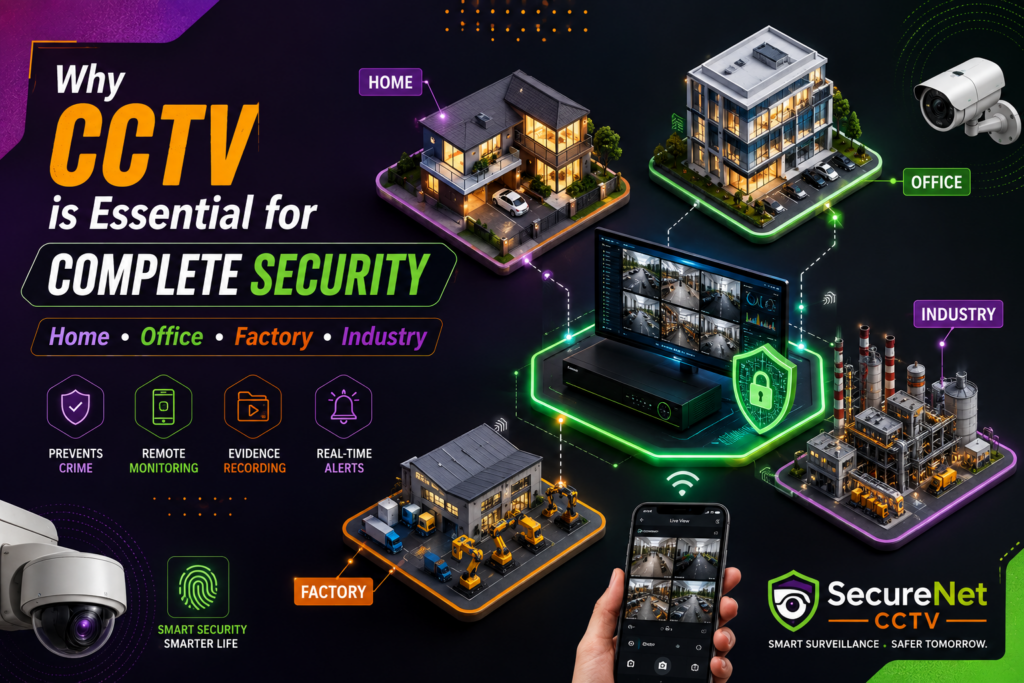
Security has become one of the biggest concerns for homeowners and business owners alike. Whether it is protecting your family, employees, equipment, or valuable assets, having a reliable security system is no longer a luxury—it’s a necessity.
One of the most effective ways to improve security is by installing a CCTV surveillance system. Modern CCTV cameras not only record activities but also provide real-time monitoring, remote access, motion detection, and evidence when needed.
In this blog, we’ll discuss why CCTV is important, its advantages and disadvantages, how it is installed, how long footage is stored, the devices you can use to monitor it, and why investing in CCTV is one of the smartest decisions you can make.
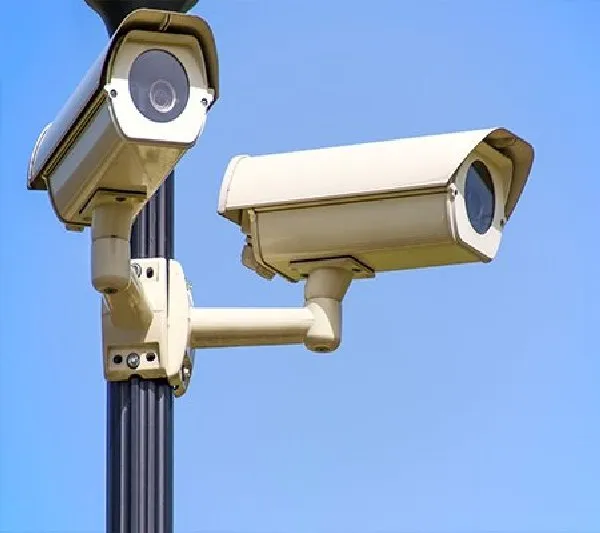
Why CCTV is Necessary
1. Home Security
Your home is where your family feels safest, but burglaries, theft, and unauthorized access can happen unexpectedly. CCTV cameras provide 24/7 surveillance, helping homeowners monitor entrances, parking areas, gardens, and other important locations.
Benefits include:
-
- Protects your family and property
-
- Discourages theft and break-ins
-
- Monitors visitors and deliveries
-
- Keeps an eye on children and elderly family members
-
- Provides evidence if an incident occurs
With remote monitoring, homeowners can even check their property while travelling or at work.
2. Office Security
Every office stores valuable equipment, confidential documents, and important business information. CCTV systems help businesses create a safer working environment.
-
- Prevent employee theft
-
- Improve workplace safety
-
- Monitor attendance and activities
-
- Protect sensitive information
-
- Record visitor movements
-
- Resolve workplace disputes with recorded evidence
Employees also tend to follow workplace policies more responsibly when they know surveillance systems are installed.
3. Factory Security
Factories contain expensive machinery, raw materials, finished products, and restricted operational areas. A well-planned CCTV system protects these valuable assets while improving operational efficiency.
Factory surveillance helps:
-
- Monitor production areas
-
- Prevent material theft
-
- Improve worker safety
-
- Observe machinery operations
-
- Investigate accidents
-
- Reduce unauthorized access
CCTV recordings also assist management in identifying operational improvements.
4. Industrial Security
Industries often operate on a much larger scale with multiple departments, warehouses, loading areas, and high-value assets.
Industrial CCTV systems help:
-
- Monitor large premises
-
- Secure warehouses and storage units
-
- Protect expensive equipment
-
- Improve access control
-
- Record vehicle movement
-
- Support security personnel during emergencies
Advanced CCTV systems can even integrate with access control systems, alarms, and fire safety solutions.
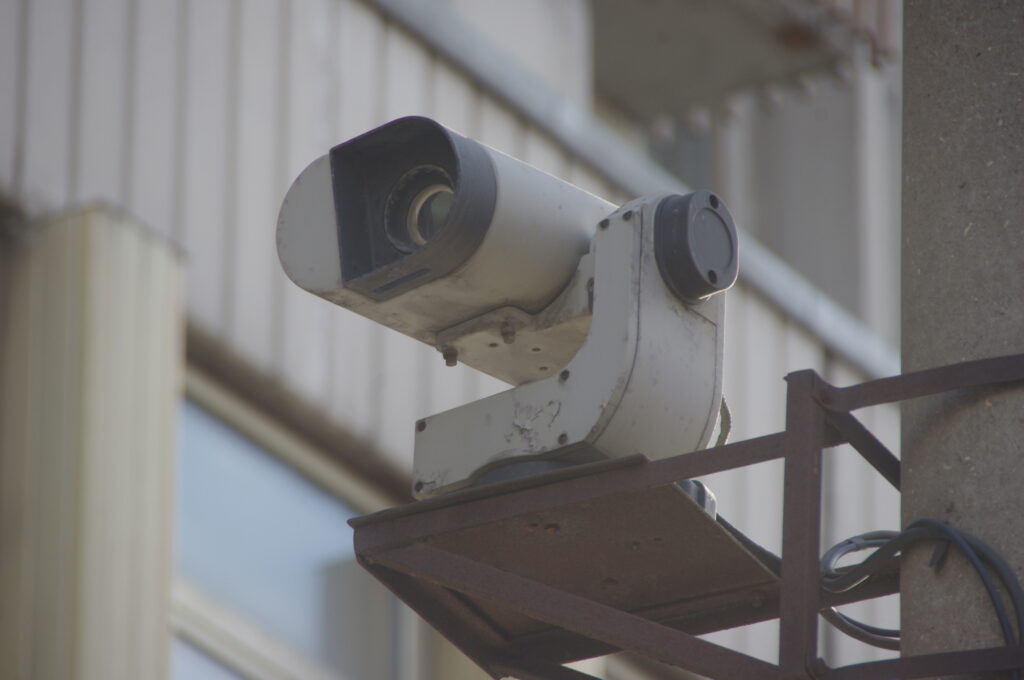
Advantages of CCTV Cameras
Installing CCTV offers several benefits beyond simply recording video.
24/7 Monitoring
Modern CCTV cameras continuously monitor your property, ensuring security even during holidays, weekends, or nighttime.
Crime Prevention
Visible cameras discourage criminals from attempting theft, vandalism, or trespassing.
Remote Viewing
You can monitor live footage from anywhere using your smartphone, tablet, laptop, or desktop computer.
Evidence Collection
Recorded footage becomes valuable evidence during thefts, disputes, or accidents.
Employee Productivity
Surveillance encourages employees to maintain discipline and follow workplace procedures.
Improved Safety
CCTV helps monitor hazardous areas and supports quick responses during emergencies.
Peace of Mind
Knowing your property is being monitored provides confidence whether you’re at home or away.
Disadvantages of CCTV Systems
While CCTV offers numerous benefits, it’s also important to understand its limitations.
Initial Investment
Installing quality cameras, storage devices, and networking equipment requires an upfront investment.
Regular Maintenance
Camera lenses, cables, storage devices, and software require periodic maintenance for optimal performance.
Internet Dependency
Remote viewing features generally require a stable internet connection.
Privacy Considerations
Cameras should be installed responsibly without violating the privacy of employees, visitors, or neighbors.
Storage Limitations
Continuous recording consumes storage space, making proper storage planning essential.
Despite these considerations, the advantages of CCTV far outweigh the disadvantages for most homes and businesses.
CCTV Installation Procedure
Professional installation ensures maximum camera performance and reliable security coverage.
Step 1: Site Survey
A technician visits the property to identify vulnerable areas and understand security requirements.
Step 2: Security Planning
Camera locations are selected based on entrances, exits, blind spots, parking areas, corridors, and critical zones.
Step 3: Equipment Selection
Suitable equipment is chosen based on requirements, including:
-
- Indoor cameras
-
- Outdoor weatherproof cameras
-
- Dome cameras
-
- Bullet cameras
-
- PTZ cameras
-
- Network Video Recorder (NVR)
-
- Digital Video Recorder (DVR)
-
- Hard disk storage
Step 4: Camera Installation
Cameras are securely mounted and connected using appropriate cabling or wireless networking.
Step 5: Recorder Configuration
The DVR or NVR is configured for recording schedules, motion detection, storage management, and remote access.
Step 6: Mobile App Setup
Users receive secure access to monitor live and recorded footage through mobile applications or desktop software.
Step 7: Final Testing
The entire system is tested to ensure every camera records properly, provides clear images, and functions as expected.
How Long Does CCTV Footage Last?
One of the most common questions customers ask is how long CCTV recordings are stored.
The storage duration depends on several factors:
-
- Number of cameras
-
- Camera resolution
-
- Recording quality
-
- Hard disk capacity
-
- Continuous recording or motion detection mode
Typical storage durations include:
| Storage Capacity | Approximate Recording Duration* |
|---|---|
| 1 TB | 7–20 days |
| 2 TB | 15–40 days |
| 4 TB | 30–60 days |
| 8 TB | 60–120 days |
*Actual recording duration depends on camera settings, resolution, frame rate, and recording mode.
Many businesses choose larger storage capacities or cloud backup solutions for longer retention.
Devices That Can Operate CCTV Systems
Modern CCTV systems can be accessed from multiple devices.
Smartphone
The most popular option, allowing live viewing, playback, and instant notifications.
Tablet
Provides a larger screen for monitoring multiple cameras.
Laptop
Ideal for reviewing recordings and managing system settings.
Desktop Computer
Suitable for security rooms and business monitoring centers.
Smart TV
Some CCTV systems can display live camera feeds on compatible smart televisions.
This flexibility allows users to stay connected to their security system from virtually anywhere.
Tips for Better CCTV Performance
To maximize the effectiveness of your CCTV system:
-
- Install cameras at strategic locations.
-
- Use high-resolution cameras.
-
- Clean camera lenses regularly.
-
- Update firmware when available.
-
- Use quality hard drives designed for surveillance.
-
- Protect the recorder with a UPS backup.
-
- Regularly check recording status.
-
- Change passwords periodically for better cybersecurity.
Conclusion
A CCTV surveillance system is one of the most effective investments for protecting homes, offices, factories, and industrial premises. Beyond preventing crime, it improves safety, supports investigations, enhances productivity, and offers peace of mind through continuous monitoring.
Whether you’re securing a small home or a large industrial facility, choosing the right CCTV solution and ensuring professional installation can make a significant difference in your overall security.
At SecureNet CCTV, we believe that every property deserves reliable protection backed by quality surveillance technology. A properly planned and professionally installed CCTV system not only safeguards your assets but also helps create a safer environment for your family, employees, and business operations.