
Security has become an important concern for homes, offices, shops, factories, schools, warehouses, and public spaces. As properties become larger and security risks become more complex, traditional security methods alone may not always be enough. Therefore CCTV Enhance Security can play an important role.
CCTV, or Closed-Circuit Television, uses cameras to capture and transmit video to selected monitoring devices. Modern systems can provide real-time viewing, recording, remote access, motion detection, and other useful features. But how exactly does CCTV Enhance Security? Let us understand its role and benefits in detail.
1. Provides Continuous Surveillance
One of the biggest advantages of CCTV is continuous monitoring. Security cameras can observe important areas throughout the day and night, depending on the camera type and installation.
Unlike manual monitoring, CCTV cameras can keep recording while people are working, sleeping, or away from the property. Cameras can be installed at entrances, exits, parking areas, corridors, reception areas, storage rooms, and other locations where surveillance is required.
This continuous video surveillance helps property owners and security teams maintain better awareness of what is happening around the premises.
2. Helps Deter Suspicious Activities
Visible security cameras can discourage some people from attempting theft, vandalism, trespassing, or other unwanted activities. When individuals know that an area is being monitored and recorded, they may think twice before engaging in suspicious behavior.
CCTV should not be considered a complete replacement for physical security measures, but it can work alongside locks, alarms, security personnel, access control, and proper lighting to create a stronger security environment.

3. Enables Real-Time Monitoring
Modern CCTV systems can allow authorized users to view live camera feeds through monitors, computers, smartphones, or other compatible devices.
For example, a business owner can check an office entrance while away from the premises. Similarly, security personnel can monitor multiple areas from a central location.
Real-time CCTV monitoring can help identify unusual activity quickly and allow responsible personnel to respond according to established security procedures.
4. CCTV Enhance Security and Record Events
CCTV Enhance Security, record events, and store footage for later review. This recorded information can be useful when investigating incidents such as theft, property damage, unauthorized access, accidents, or disputes.
Instead of relying only on eyewitness accounts, authorized personnel can review available footage to understand what happened and when it occurred.
The usefulness of recorded footage depends on factors such as camera positioning, image quality, storage capacity, lighting, and the system’s retention settings.
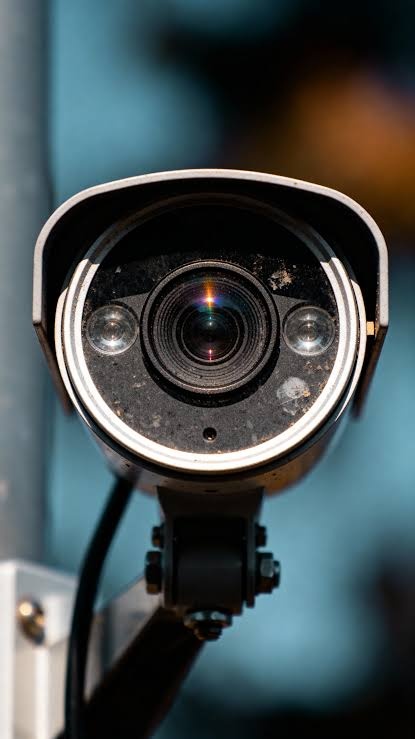
5. Improves Security at Entry and Exit Points
Entrances and exits are among the most important locations for CCTV installation. Cameras can help monitor people entering or leaving a building and provide visibility around access points.
When combined with access control systems, CCTV can provide additional context about access-related events. For example, security personnel may be able to review video footage when investigating an unusual entry or exit.
Proper camera placement is important because poorly positioned cameras may leave blind spots or capture unclear images. Therefore, CCTV Enhance Security and help us to feel relaxed and safe.
6. Supports Remote Security Management
Remote access has made CCTV systems more convenient for many users. Depending on the system and configuration, authorized users may be able to view live footage or review recordings from a remote location.
This can be especially useful for people responsible for multiple properties or businesses. Instead of physically visiting every location, they can check camera feeds when necessary.
However, remote access should be properly secured using strong passwords, updated software, secure networks, and appropriate user permissions.
7. Helps Improve Workplace Safety
CCTV is not only about preventing theft. It can also support workplace safety by providing visibility into areas where accidents or unsafe activities may occur.
In factories, warehouses, construction-related environments, and commercial facilities, cameras can help organizations identify potential safety issues and review incidents after they occur.
CCTV footage can also help organizations understand recurring problems and improve their security and safety procedures.
8. Supports Incident Investigation
When an incident occurs, CCTV footage can provide valuable information about the circumstances surrounding it. Investigators may use available recordings to identify timelines, movements, entry points, or other relevant details.
Clear footage can be particularly useful when several people or activities are involved in an incident. However, footage should be accessed only by authorized individuals and handled according to applicable privacy and legal requirements.
9. CCTV Works Best as Part of a Complete Security Strategy
Although CCTV provides several security benefits, it should not be treated as a standalone solution. A strong security strategy may combine security cameras with access control, alarms, proper lighting, physical barriers, trained personnel, cybersecurity practices, and clear emergency procedures.
Before installing cameras, organizations should identify security objectives, vulnerable areas, camera locations, lighting conditions, storage requirements, and privacy considerations.
Conclusion
CCTV enhances security by providing continuous surveillance, supporting real-time monitoring, discouraging unwanted activities, recording important events, and assisting with incident investigation. Modern systems can also provide remote access and useful monitoring features.
The effectiveness of a CCTV system depends largely on proper planning, camera placement, image quality, maintenance, secure configuration, and responsible use of recorded information. When integrated with other physical and digital security measures, CCTV can become an important part of a comprehensive security strategy for homes, offices, businesses, and industrial environments.