
Introduction
A CCTV camera for home has become an important part of modern home security. Whether you live in an apartment, independent house, or gated property, a well-planned CCTV surveillance system can help monitor entrances, parking areas, balconies, corridors, and other important locations.
However, choosing a CCTV camera for home is not simply about selecting the camera with the highest resolution or the most features. Different homes have different security requirements. Factors such as camera location, lighting conditions, storage, connectivity, weather exposure, and viewing angle should all be considered before making a decision.
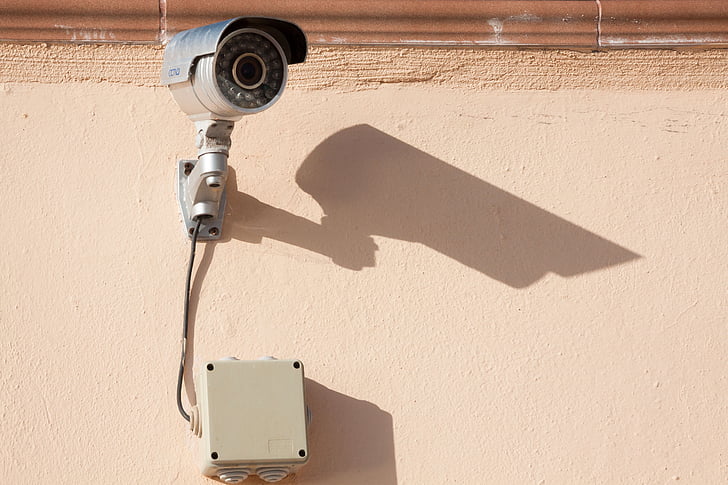
Here are some important factors that can help homeowners make a more informed CCTV camera selection.
1. Identify the Areas You Need to Monitor
The first step is to determine where cameras are actually required. Common locations include the main entrance, back door, driveway, garage, staircase, balcony, and areas where valuable equipment is kept.
For example, an entrance may require a camera with a wide viewing angle, while a narrow passage may need a camera designed to focus on a specific direction.
Creating a simple layout of your home can help identify blind spots and prevent unnecessary cameras.
2. Choose the Right Camera Type
CCTV cameras are available in different designs, and each type serves a different purpose.
Dome cameras are compact and suitable for many indoor applications. Their discreet design can make them appropriate for hallways and living areas.
Bullet cameras are generally designed for directional monitoring and can be useful for entrances, driveways, and outdoor areas.
PTZ cameras, or Pan-Tilt-Zoom cameras, can move horizontally and vertically and provide zoom functionality. They can be useful when a larger area needs active monitoring.
For many homes, a combination of different camera types may provide better coverage than using the same model everywhere.
3. Consider Camera Resolution
Resolution determines how much visual detail a cctv camera for home can capture. Higher-resolution cameras generally produce more detailed images, which can be particularly useful when identifying faces, vehicles, or other objects.
However, higher resolution also means larger video files and potentially greater storage requirements.
When choosing a home security camera, consider what level of detail is actually necessary. A camera covering a small entrance may have different requirements from one monitoring a large outdoor area.
4. Pay Attention to Night Vision
Security monitoring should not stop after sunset. Night vision is therefore one of the most important CCTV camera for home to evaluate.
Many cameras use infrared technology to capture footage in low-light or dark conditions. Some advanced cameras can also produce color footage under suitable low-light conditions.
Before selecting a camera, check its practical night-vision range and consider the lighting around the installation location. A camera facing a bright outdoor light may behave differently from one installed in a completely dark area.
5. Check the Field of View
The field of view determines how much area a camera can see. A wide-angle camera can cover more space, while a narrower field of view can provide greater focus on a particular area.
For example, a wide-angle camera may be useful for a living room or driveway, whereas a camera with a narrower view may work better for a corridor.
The objective should be effective coverage, not simply installing as many cameras as possible.
6. Decide Between Wired and Wireless Cameras
Another important decision is whether to choose a wired or wireless CCTV system.
Wired cameras generally use cables for power and video or network connectivity. They can provide a stable connection and are often suitable for permanent installations.
Wireless or Wi-Fi cameras can offer greater flexibility during installation. They may be convenient for locations where running cables is difficult.
However, wireless cameras depend on network reliability, while wired installations require proper cable planning. Homeowners should therefore consider their building structure and network environment before choosing between the two.
7. Think About Storage Requirements
CCTV footage needs to be stored somewhere. Common options include a DVR, NVR, memory card, or cloud storage, depending on the camera and system.
Storage requirements depend on several factors, including:
- Number of cameras
- Resolution
- Recording quality
- Frame rate
- Recording duration
- Continuous or motion-based recording
Motion-based recording can reduce storage requirements by recording primarily when activity is detected. Continuous recording, on the other hand, can provide a complete record but requires more storage capacity.
8. Consider Weather Resistance for Outdoor Cameras
Cameras installed outdoors need protection from rain, dust, humidity, and temperature changes. An outdoor CCTV camera should therefore have appropriate protection for the environment where it will be installed.
Simply choosing an indoor camera for an outdoor location can reduce its reliability and lifespan.
The camera should also be positioned carefully so that walls, roofs, trees, or other objects do not unnecessarily block its field of view.
9. Look at Smart Detection Features
Modern CCTV systems can offer more than basic video recording. Depending on the model, smart features may include motion detection, person detection, vehicle detection, line-crossing alerts, and other forms of activity analysis.
These features can help reduce unnecessary notifications. For example, a system capable of distinguishing people from general movement may be more useful than one that sends an alert every time a tree branch moves.
However, smart detection should be viewed as an additional security feature rather than a replacement for proper camera placement.
10. Don’t Ignore Privacy and Cybersecurity
Internet-connected CCTV camera for home should be configured carefully. Homeowners should change default passwords, use strong unique credentials, keep firmware updated, and secure the home Wi-Fi network.
It is also important to understand who can access recorded footage and where that footage is stored.
Cameras should be positioned responsibly, particularly around areas where family members and visitors expect privacy. Good surveillance is not only about capturing footage; it is also about protecting that footage.
Conclusion
Choosing a CCTV camera for home requires more consideration than simply comparing prices or megapixels. Camera type, resolution, night vision, field of view, connectivity, storage, weather resistance, smart detection, and cybersecurity can all affect the effectiveness of a home CCTV installation.
The best approach is to begin with the security requirements of the property and then select cameras according to each location. A carefully planned CCTV surveillance system can provide useful visibility while avoiding unnecessary equipment and complicated installation.
Ultimately, the right CCTV camera is not necessarily the one with the most features. It is the one that provides appropriate coverage, reliable footage, and practical functionality for the specific needs of your home.